TL;DR: As a parent, you do not need to make every difficult feeling disappear. Your child needs steady support, simple words, predictable routines, and adults who help them feel safe. At KidLogic Oakville, we work with families to help children settle into their day, build confidence, and feel cared for while they learn and play.
What child emotional well-being can look like
As a parent, you notice the small things first. Your child tells you when they are upset. They hide behind your leg when someone new walks in. They cry when the routine changes, then recover when you sit beside them.
These moments are part of growing. Child emotional well-being does not mean a child is happy every minute. It means they gradually learn that feelings are allowed, trusted adults will help them, and hard moments can pass.
Young children are still learning how to understand and manage emotions. Positive parenting guidance encourages parents to support social and emotional development through responsive, consistent interactions.
For a young child, emotional safety can look like:
- Feeling comfortable asking for help
- Being able to show sadness, frustration, or excitement
- Knowing what usually happens next
- Having adults who listen and respond calmly
- Having time to settle after a difficult moment
Your child may not be able to explain all of this yet. They show you through their behaviour.
How predictable routines support child emotional well-being
Predictable routines help children understand their day. When children know when they will eat, rest, play, go outside, and see you again, the day can feel less uncertain.
This does not mean every day has to go perfectly. Children can handle changes better when the usual routine gives them something familiar to return to.
That is why small rituals matter. A goodbye at the door. The same phrase before you leave. A familiar comfort item, when appropriate. A simple explanation of what will happen next.
Research and early-childhood guidance often point to routines as a source of security for young children. Repeated routines can support connection between children, parents, and educators.
At home, you can keep the routine simple:
- Talk through the morning before it starts
- Give your child a little warning before changing activities
- Keep goodbye calm and clear
- Tell your child when you will see them again
- Follow through on what you have promised
Children do not need a long explanation. They need a message they can understand and trust.
Help your child find words for big feelings
Many difficult behaviours are a child’s way of communicating before they have the words to explain what is happening. Naming the feeling can help your child feel understood, even when the behaviour still needs a boundary.
You might say:
- “You are sad because it is time to leave the playground.”
- “You wanted the blue cup. That was frustrating.”
- “You are nervous because this is new.”
- “You are angry. I will not let you hit, but I will stay with you.”
You are not agreeing with every behaviour. You are showing your child that the feeling itself is not frightening or shameful.
Over time, this gives children language they can use for themselves. They begin to say, “I am worried,” instead of only crying or pushing the feeling away.
You can also use books, pretend play, and everyday moments to talk about emotions. Ask what a character might be feeling. Point out when someone looks excited, tired, or disappointed. Keep the conversation natural rather than turning it into a lesson.
Make daycare drop-off calm and consistent
Drop-off can be emotional for both of you. Your child may cry, hold onto you, or ask you not to leave. You may feel guilty even when you know daycare is the right choice for your family.
A calm goodbye usually helps more than a long, uncertain one. Tell your child what is happening, offer reassurance, and leave with confidence. Coming back several times can make the separation feel more confusing.
You can create a familiar goodbye routine:
- Get down to your child’s eye level.
- Give a hug and say when you will return.
- Use the same short goodbye phrase each day.
- Let an educator help your child transition into the room.
Your child may still cry. That does not automatically mean the routine is harming them. Some children need time to adjust to separation and new surroundings. What matters is that the adults around them respond with patience, care, and consistency.
At our Oakville daycare centre, families can talk with our team about their child’s routines, comfort needs, and transition into care.
Give your child space to settle after a long day
Some children talk nonstop after daycare. Others become quiet, clingy, or easily frustrated. A child may need time to move from the structure of the day back into home life.
Try not to fill the first few minutes with questions. Start with connection instead.
You could offer a snack, sit together, or take a quiet walk. Once your child seems more settled, ask simple questions such as:
- What made you smile today?
- What did you play with?
- Was anything tricky today?
- Who helped you when you needed it?
You do not need a perfect answer. You are showing your child that their day matters to you.
If your child does not want to talk, let the conversation wait. Children often share more when they are playing, riding in the car, or getting ready for bed.
Work together with your child’s educators
Parents see one side of a child’s day. Educators see another. Sharing those observations can help everyone respond more consistently.
Tell educators about changes at home, such as a poor night’s sleep, a new sibling, travel, illness, or a change in routine. Ask what your child enjoys during the day, when they seem unsettled, and what helps them calm down.
This does not mean every concern is a problem. It means the adults caring for your child are working from the same information.
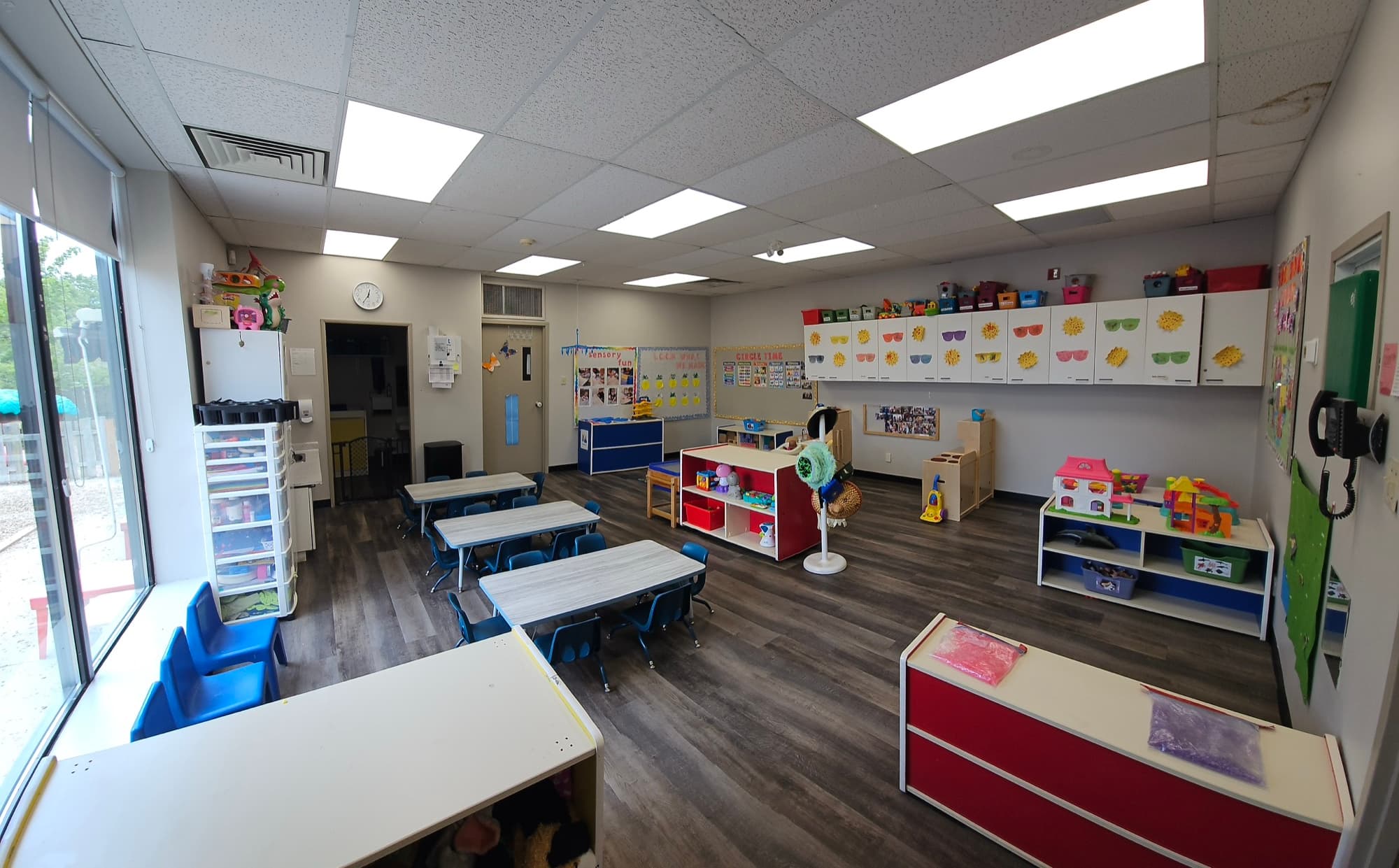
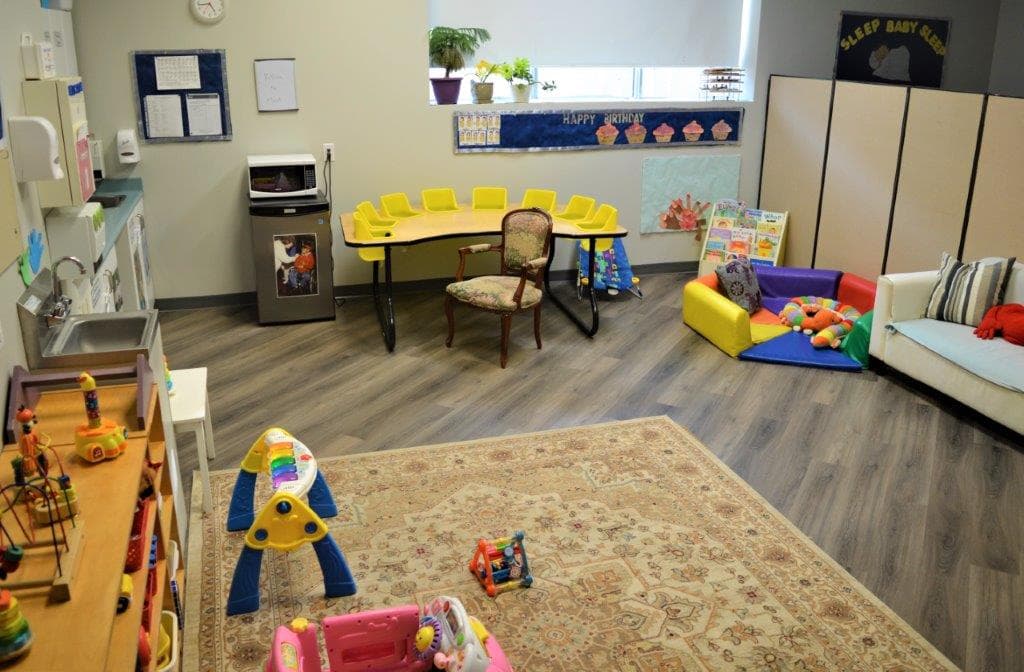
At KidLogic, our play-based program approach gives children opportunities to learn through play, relationships, routines, and daily experiences. Families can also explore our gallery to see more of the centre environment before booking a visit.
When should you ask for extra support?
Every child has difficult days. However, it is worth asking for advice if your child’s distress is ongoing, becoming more intense, or affecting sleep, eating, relationships, or daily activities.
You can start by speaking with your child’s educator, family doctor, or another qualified professional who knows your child. Ask what they are noticing, what support may help, and what you can try at home.
Asking for help does not mean you have failed. It means you are paying attention and looking for the right support.
Emotional well-being grows through everyday moments
Your child’s emotional well-being is built through ordinary moments. It grows when you listen, keep promises, name feelings, make room for mistakes, and help your child try again.
You do not have to respond perfectly every time. You can repair after a difficult moment. You can say, “I was frustrated. I am sorry I raised my voice. Let us try again.” That teaches your child that relationships can recover too.
If you are looking for an Oakville childcare centre where your child can learn, play, and build relationships in a caring environment, send us an inquiry. We would be happy to answer your questions and help you decide whether KidLogic is the right fit for your family.
Frequently asked questions
What is emotional well-being for a young child?
Emotional well-being means a child feels safe, supported, and able to express feelings with help from trusted adults. It does not mean a child is happy all the time.
How can parents support emotional development at home?
Parents can support emotional development by listening, naming feelings, keeping routines predictable, setting calm boundaries, and giving children time to settle after difficult moments.
Why is daycare drop-off difficult for some children?
Drop-off can be difficult because separation, new surroundings, and changes in routine can feel overwhelming. A short, calm goodbye and a consistent transition can help children adjust over time.
Should I worry if my child cries at daycare drop-off?
Crying can be a normal part of adjusting to separation. Speak with the educator about how your child settles after you leave and ask for support if the distress continues or affects your child’s daily life.
How can parents and educators support a child together?
Parents and educators can share observations about routines, triggers, comfort strategies, sleep, and changes at home. Consistent responses help children understand what to expect.